Introduction
Interior design in 2026 is no longer just about selecting premium furniture or choosing the right paint colours. The focus has shifted towards creating spaces that tell a story, reflect personality, and leave a lasting impression. Whether it’s a luxury residence in Delhi, a corporate office in Gurgaon, a boutique café in Jaipur, or a premium retail store in Noida, every project is moving towards thoughtful design that balances aesthetics with functionality.
One of the biggest changes shaping modern interiors is the growing use of decorative wall installations. Designers are moving away from plain painted walls and embracing customized metal artwork, CNC-cut panels, textured MDF designs, and architectural feature walls that become the visual highlight of a space.
As homeowners and businesses continue investing in premium interiors, understanding the latest design trends can help create spaces that remain timeless rather than following short-lived fashions.
Why Are Feature Walls Becoming the Focal Point of Modern Interiors?
The idea of leaving walls empty is gradually disappearing from contemporary interior design.
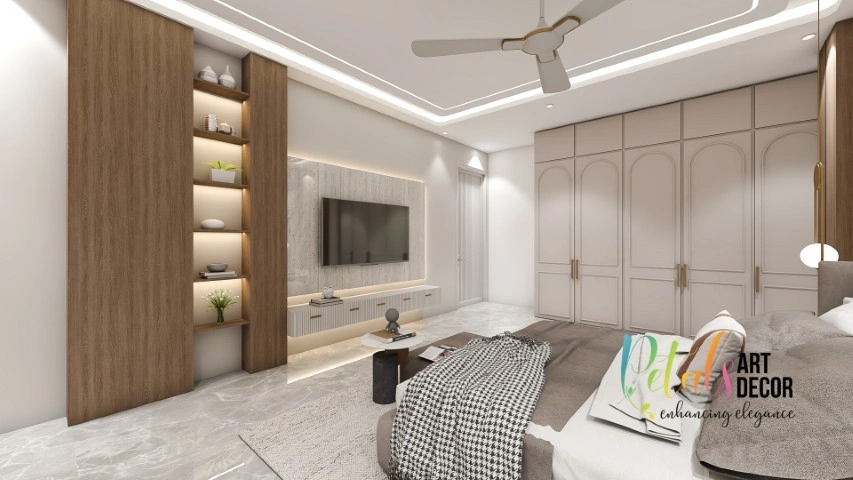
Instead, architects and interior designers are transforming walls into artistic focal points that define the character of an entire room. A thoughtfully designed feature wall immediately captures attention, creates depth, and enhances the overall atmosphere without overwhelming the space.
Whether it’s a reception area, living room, hotel lobby, restaurant, or executive office, decorative wall panels help establish a unique identity while making the interiors feel more premium and professionally designed.
Across Delhi NCR, Gurgaon, Noida, Chandigarh, Jaipur, and Dehradun, feature walls have become one of the most requested elements in residential and commercial projects.
Decorative Metal Wall Art Continues to Lead Luxury Interiors
Metal wall art has become one of the strongest interior design trends because of its ability to blend craftsmanship with contemporary aesthetics.
Laser-cut patterns, geometric compositions, textured finishes, and customized artistic installations allow designers to create statement walls that remain elegant for years. Unlike conventional décor, decorative metal installations offer durability, low maintenance, and exceptional visual appeal.
From luxury homes to corporate headquarters, hotels, restaurants, and premium retail spaces, metal artwork creates a sophisticated environment while reflecting natural and artificial lighting beautifully.
Its versatility also allows it to complement materials such as marble, wood, glass, and concrete, making it suitable for almost every interior style.
Why MDF Wall Panels Are Still a Favourite Among Interior Designers
While new materials continue to enter the market, MDF remains one of the most practical and creative choices for modern interiors.
Its smooth finish, flexibility, and affordability allow designers to experiment with patterns, textures, and customized shapes that would otherwise be expensive to achieve. Today’s CNC technology has further expanded the possibilities of MDF by enabling intricate designs, decorative partitions, ceiling elements, and artistic wall panels.
High-quality finishes ensure that MDF installations look premium while offering excellent value for both residential and commercial projects.
For homeowners planning renovations or businesses designing new offices, MDF continues to provide the perfect balance between design flexibility and cost efficiency.
CNC Wall Art Is Redefining Modern Architecture
Customization has become one of the defining characteristics of contemporary interior design.
CNC-cut wall panels allow architects to create unique designs that perfectly fit the dimensions and personality of a space. Instead of relying on ready-made decorative products, businesses and homeowners now prefer installations specifically designed around their interiors.
CNC technology makes it possible to create elegant partitions, reception backdrops, decorative ceilings, feature walls, room dividers, and artistic installations with remarkable precision.
As personalization becomes increasingly important, CNC wall art is expected to remain one of the most influential design elements in 2026.
Natural Textures and Premium Finishes Are Replacing Overly Decorative Spaces
One noticeable shift in interior design is the preference for simplicity combined with premium materials.
Rather than using excessive decoration, designers are focusing on textures that create visual interest naturally. Matte finishes, natural wood grains, brushed metals, textured laminates, and subtle architectural detailing are replacing glossy surfaces and overly ornamented interiors.
This creates spaces that feel timeless, sophisticated, and comfortable while remaining visually impressive.
The emphasis is now on quality craftsmanship rather than excessive decoration.
Lighting Has Become an Essential Part of Interior Design
Modern interior design is no longer limited to furniture and décor. Lighting now plays a major role in defining how decorative walls and architectural installations are experienced.
Integrated LED strips, concealed lighting, wall washers, and focused spotlights highlight textures, create depth, and add warmth to interiors.
Even a simple decorative wall panel can become a striking architectural feature when paired with the right lighting design.
For this reason, architects often design wall installations and lighting together rather than treating them as separate elements.
Sustainable Design Is Influencing Material Choices
Homeowners and businesses are becoming increasingly conscious about the materials used in their interiors.
Eco-friendly manufacturing processes, responsibly sourced wood, recyclable metals, and durable decorative materials are gaining popularity as sustainability becomes an important consideration in construction and design.
Rather than replacing interiors every few years, clients now prefer investing in timeless installations that remain relevant for decades while minimizing maintenance.
This shift is encouraging designers to create spaces that are both beautiful and environmentally responsible.
Custom Interior Design Is Becoming the New Standard
Modern clients are no longer satisfied with catalogue-based interiors.
Whether it’s a residence, office, café, hotel, or retail showroom, people want spaces that reflect their personality and brand identity. Custom decorative wall panels allow complete freedom in terms of dimensions, materials, colours, finishes, and artistic expression.
For commercial spaces, customized installations also strengthen branding by creating memorable customer experiences.
This growing demand for personalization is one of the biggest reasons bespoke interior solutions continue to outperform mass-produced décor.
What Interior Colours Are Trending in 2026?
Colour trends in 2026 focus on creating calm, balanced, and sophisticated environments.
Warm whites, sand tones, natural oak finishes, charcoal grey, matte black, olive green, terracotta, and muted earth colours are replacing overly bright palettes.
These shades pair beautifully with decorative metal artwork, MDF wall panels, textured finishes, and architectural lighting, allowing spaces to feel elegant without appearing excessive.
The overall direction of interior design is moving towards timeless colour combinations that remain appealing regardless of changing trends.
Frequently Asked Questions
Are decorative wall panels suitable for homes and offices?
Yes. Decorative wall panels are widely used in residences, offices, hotels, restaurants, cafés, and retail spaces to improve aesthetics and create feature walls.
Which material is better for decorative wall panels?
The choice depends on the project. Metal offers durability and luxury, MDF provides flexibility and affordability, while CNC-cut panels allow fully customized architectural designs.
Are customized wall panels better than ready-made designs?
Customized wall panels are designed according to the dimensions, architecture, and style of your space, creating a much more premium and unique appearance than standard catalogue products.
Which cities are seeing the highest demand for luxury interior design?
Demand continues to grow rapidly in Delhi, Gurgaon, Noida, Jaipur, Chandigarh, and Dehradun, where residential, hospitality, retail, and commercial developments are investing in high-quality interior solutions.
Conclusion
Interior design in 2026 is centred around personalization, craftsmanship, and timeless aesthetics. Decorative metal artwork, MDF wall panels, CNC-cut installations, architectural lighting, and thoughtfully designed feature walls are transforming the way homes and commercial spaces are experienced.
At Petals Art Decor, we work with homeowners, architects, builders, interior designers, and businesses to create bespoke decorative wall installations that combine creativity with precision. Whether you’re planning a luxury residence in Delhi, a modern office in Gurgaon, a retail showroom in Noida, or a hospitality project in Jaipur, Chandigarh, or Dehradun, our customized solutions are designed to enhance every space with elegance and lasting value.