Introduction
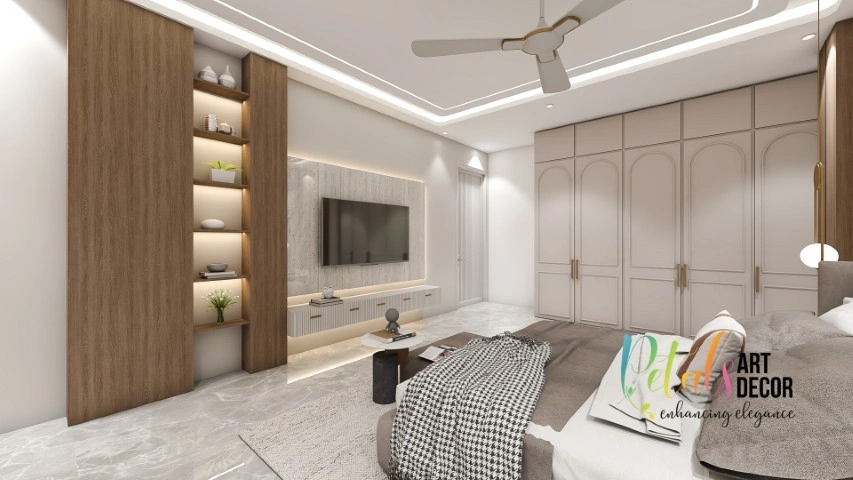
Luxury interior design has undergone a remarkable transformation over the past decade. While premium materials and designer furniture continue to define sophisticated spaces, today’s most memorable interiors are shaped by something far more distinctive—architectural art.
Decorative installations have evolved from simple design accents into integral architectural elements that enhance the identity, functionality, and emotional impact of a space. Whether it’s a statement wall in a luxury residence, a sculptural installation in a hotel lobby, or a bespoke feature wall in a corporate headquarters, artistic installations are changing the way interiors are designed and experienced.
Across Delhi, Gurgaon, Noida, Faridabad, Ghaziabad, and Greater Noida, there is a growing demand for interiors that go beyond aesthetics. Homeowners and businesses are seeking spaces that tell a story, reflect their personality, and create lasting impressions through custom craftsmanship and thoughtful design.
Why Are Decorative Installations Becoming a Signature of Luxury Interiors?
Luxury is no longer defined by expensive materials alone. Instead, it is defined by exclusivity, craftsmanship, and attention to detail.
Decorative installations allow architects and interior designers to create interiors that are completely unique. Rather than relying on mass-produced décor, custom installations become an extension of the architecture itself.
They add:
- Character and personality
- Visual depth and texture
- Architectural balance
- Artistic expression
- A strong sense of identity
The result is a space that feels curated rather than decorated.
Where Architecture and Art Come Together
Architecture provides structure, while art gives that structure emotion.
When these two disciplines are combined thoughtfully, interiors become immersive experiences rather than simply functional spaces.
Architectural installations often include:
- Custom metal wall art
- Sculptural wall panels
- Laser-cut decorative screens
- Artistic ceilings
- Textured feature walls
- Architectural partitions
- Bespoke reception walls
- Integrated lighting installations
Each installation is designed specifically for its environment, ensuring that every detail contributes to the overall visual narrative.
Why Luxury Homes Are Moving Towards Customized Interior Art
Modern homeowners are increasingly looking for interiors that reflect their personal taste rather than current trends.
Instead of purchasing ready-made décor, many luxury residences now incorporate custom-designed wall installations that complement the architecture of the home.
Popular applications include:
- Living room feature walls
- Double-height entrance walls
- Staircase installations
- Dining room statement pieces
- Bedroom headboard walls
- Home office backdrops
- Entertainment lounge walls
These installations become focal points that elevate the overall ambience while creating a sense of exclusivity.
Decorative Installations Are Transforming Commercial Spaces
The commercial sector has embraced architectural art just as enthusiastically as luxury residences.
Businesses understand that physical spaces influence how customers perceive their brand. A thoughtfully designed office or showroom communicates professionalism, creativity, and attention to detail before a single conversation begins.
Decorative installations are now commonly found in:
- Corporate offices
- Hotels
- Restaurants
- Retail showrooms
- Experience centres
- Co-working spaces
- Educational institutions
- Healthcare facilities
These installations help strengthen brand identity while creating memorable visitor experiences.
Materials That Define Contemporary Luxury
One of the reasons decorative installations have become so versatile is the wide range of materials available today.
Some of the most preferred options include:
| Material | Common Applications |
| Decorative Metal | Reception walls, feature walls, hospitality spaces |
| MDF Panels | Residential interiors, commercial feature walls |
| CNC Panels | Partitions, decorative screens, ceilings |
| Wood | Luxury homes, hospitality, offices |
| Glass & Acrylic | Retail spaces, corporate branding |
| Mixed Materials | Premium bespoke installations |
Combining multiple materials often produces the most striking results, allowing designers to create depth, contrast, and texture.
Lighting Completes the Experience
Lighting plays a crucial role in bringing decorative installations to life.
Integrated lighting highlights textures, creates dramatic shadows, and enhances the three-dimensional quality of architectural features.
Popular techniques include:
- Concealed LED lighting
- Warm ambient lighting
- Wall washers
- Spotlighting
- Backlit installations
The interaction between light and materials transforms decorative installations into dynamic design elements that change throughout the day.
Why Architects Prefer Bespoke Installations
Architects rarely approach decorative installations as standalone decorative pieces.
Instead, they consider:
- Scale and proportion
- Material compatibility
- Structural integration
- Lighting design
- Circulation and movement
- Visual balance
- Brand identity
- Long-term durability
This holistic approach ensures that every installation contributes meaningfully to the architecture rather than competing with it.
Why Delhi NCR Is Becoming a Hub for Luxury Interior Design
Delhi NCR has become one of India’s fastest-growing regions for premium architecture and luxury interior projects.
Cities such as Delhi, Gurgaon, Noida, Greater Noida, Faridabad, and Ghaziabad are witnessing rapid development across residential, hospitality, retail, and commercial sectors.
Several factors are driving this demand:
- Growth in luxury housing
- Expansion of premium office spaces
- Rising hospitality projects
- Increasing demand for customized interiors
- Greater appreciation for craftsmanship and bespoke design
As expectations continue to evolve, decorative installations are becoming an essential part of premium interior architecture throughout the region.
Frequently Asked Questions
What are decorative installations in interior design?
Decorative installations are custom-designed architectural features such as wall art, feature walls, sculptural panels, partitions, and artistic elements that enhance the aesthetics and functionality of a space.
Are decorative installations suitable for offices?
Yes. Corporate offices increasingly use decorative installations to improve branding, reception areas, employee experience, and client impressions.
Which material is best for luxury interiors?
Metal, wood, CNC-cut panels, glass, acrylic, and mixed-material installations are among the most popular choices, depending on the project’s design vision.
Can decorative installations be customized?
Absolutely. Every installation can be designed according to the architecture, dimensions, branding, materials, colours, and purpose of the space.
Why are bespoke installations preferred over ready-made décor?
Custom installations create a unique identity, integrate seamlessly with the architecture, and deliver a premium aesthetic that cannot be achieved through mass-produced products.
Conclusion
Luxury interiors today are defined not only by beautiful finishes but by experiences that are thoughtfully crafted and deeply personal. Decorative installations bridge the gap between architecture and art, turning ordinary walls and spaces into meaningful design statements that inspire, impress, and endure.
Whether it is a luxury residence, a boutique hotel, a premium office, or a commercial development, bespoke architectural installations have become an essential element of contemporary interior design.
At Petals Art Decor, we collaborate with architects, interior designers, developers, homeowners, and businesses to create customized decorative installations that seamlessly integrate with the architecture of every project. Serving Delhi, Gurgaon, Noida, Greater Noida, Faridabad, Ghaziabad, Chandigarh, Jaipur, and Dehradun, we are committed to transforming interiors through creativity, craftsmanship, and precision.